
There's a particular kind of clutter that builds up in a household without anyone really noticing — until one day you open the shed, or the spare room, or the back corner of the yard, and think, "how did it get this bad?" If that sounds familiar, you're probably not far off booking a skip bin. And if you're in St Albans, you're in good company, because this is a suburb that's always got something going on: a kitchen being ripped out, a front yard being re-landscaped, a garage finally being reclaimed from years of "I'll deal with it later."
This guide walks through everything worth knowing before you book, so you don't end up overpaying, under-sizing, or accidentally breaking a waste rule you didn't know existed.
Why So Many St Albans Homes End Up Needing One
St Albans has a real mix of housing stock — older weatherboard homes that have been in families for decades, newer townhouse developments, and a steady wave of renovations as people update rather than move. That mix means waste disposal needs vary a lot from one street to the next, but a few situations come up again and again:
Renovation debris — old kitchens, bathroom tiles, plasterboard, timber offcuts
Yard and garden clean-ups — overgrown hedges, dead trees, seasonal leaf litter
Decluttering before a sale or move — the stuff that's been "temporarily" stored for five years
Deceased estate clearances — never an easy job, but far less overwhelming with a bin on-site
Small demolition or construction jobs — fencing, decking, old sheds coming down
Whatever's driving the clean-up, the logic is the same: a skip bin means one trip's worth of effort instead of a dozen car loads to the transfer station.
Getting the Size Right the First Time
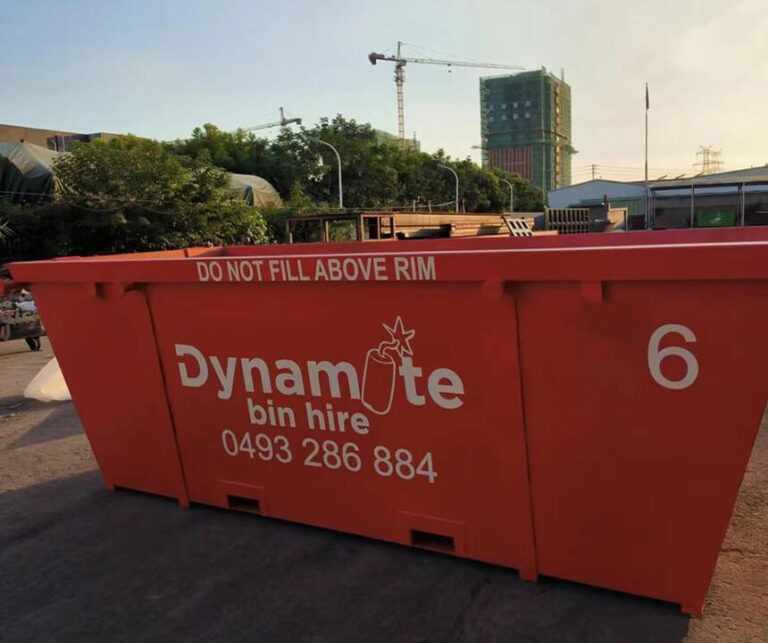
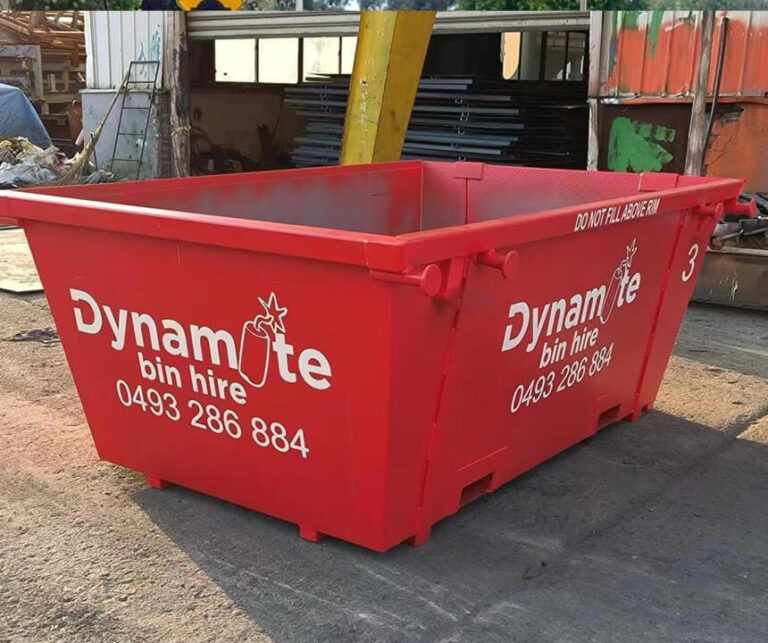
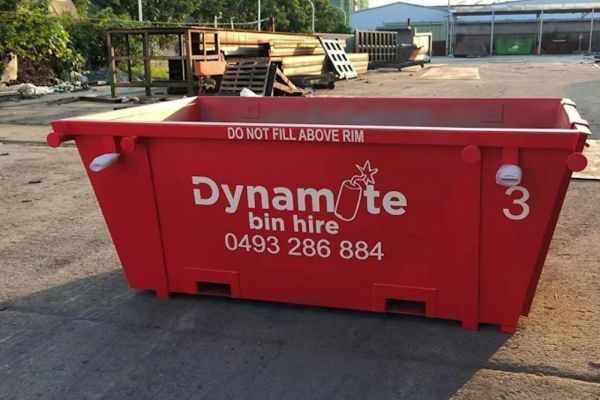
If there's one thing that trips people up more than anything else, it's guessing the bin size. Too small, and you're stuck with rubbish piled above the fill line that the driver legally can't take. Too big, and you've paid for space that just sat there empty.
A general guide that holds up reasonably well:
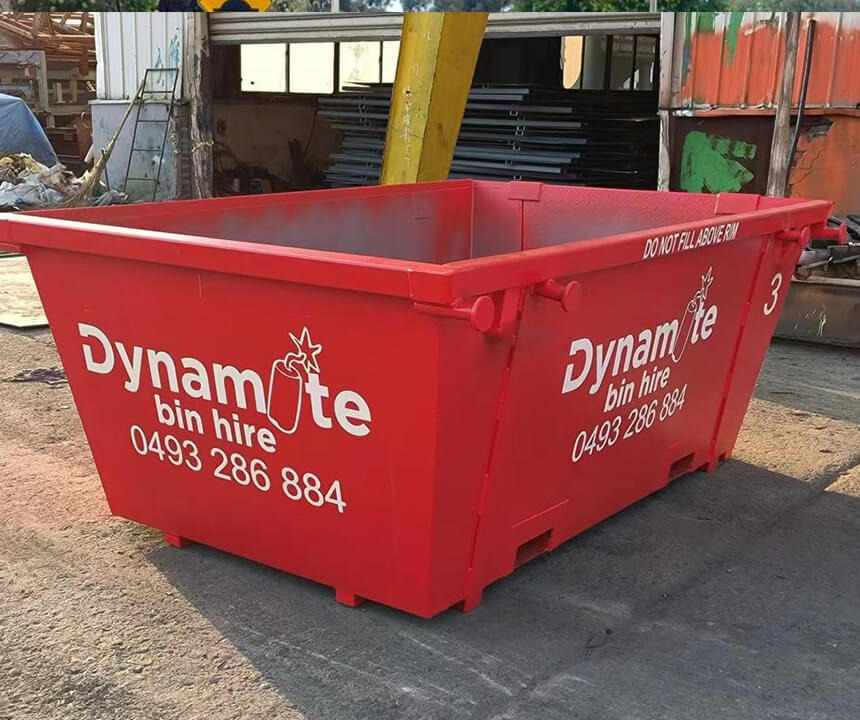
2–3m³ — a single room clear-out or a modest garden tidy
4–6m³ — a full garage clean-out, one renovated room, or a decent-sized yard overhaul
8m³ — kitchen renovations, bigger landscaping jobs, or clearing out most of a house
10–15m³ — major renovations, structural demolition, or several rooms being gutted at once
When in doubt, size up a little rather than down. The price gap between a mid-size and a slightly larger bin is usually modest — much smaller than the cost and hassle of arranging a second bin partway through the job.
What You Can (and Can't) Throw In
Not all waste is treated equally, and mixing the wrong materials into a general skip is one of the easiest ways to end up with unexpected fees.
Typically fine: furniture, household junk, timber, general renovation waste, green waste, and light construction debris. Bricks, concrete, and soil are often accepted too, though they usually need to go in a dedicated heavy-waste bin because of weight restrictions.
Usually off-limits: asbestos, paint, chemicals, batteries, tyres, gas bottles, and other hazardous materials.
If you're not sure whether something's allowed, it's worth a quick call before booking rather than finding out the hard way when the bin gets collected. A contaminated load can mean extra charges you weren't expecting.
Sorting Out Placement Before the Truck Arrives
St Albans has everything from wide driveways to narrower streets closer to the older parts of the suburb, so where the bin actually goes matters more than people expect.
A few things worth checking ahead of delivery day:
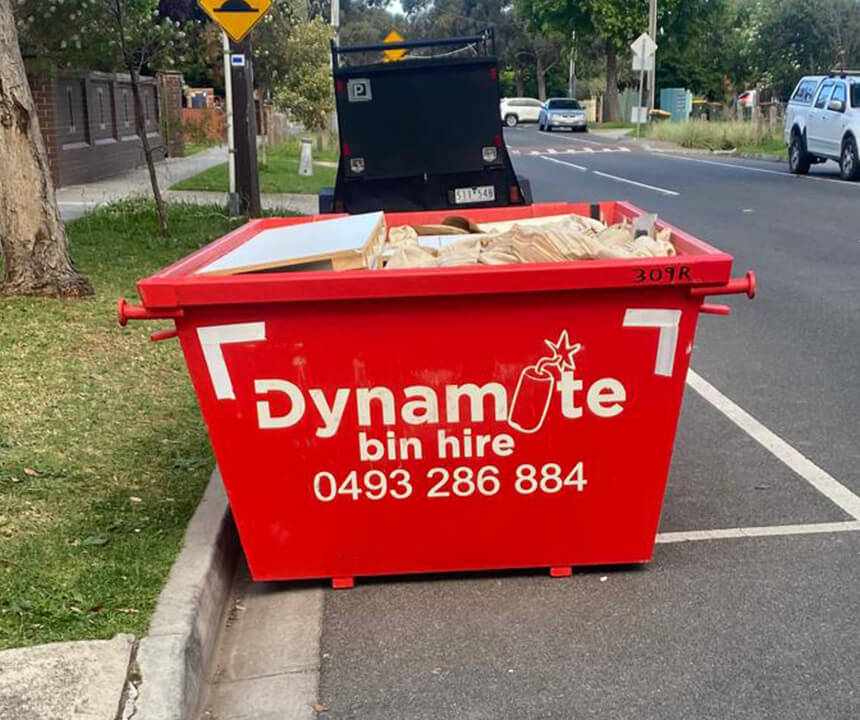
Driveway or nature strip? If it's going on the street, Brimbank City Council may require a permit, so it's worth confirming before the truck turns up.
Clear access. Trucks need a straight, unobstructed path to drop and later collect the bin — overhanging branches, parked cars, or narrow side gates can all cause delays.
Surface protection. If the bin's sitting on your driveway, ask whether protective boards are used, especially if you've got pavers or newer concrete you don't want scratched or cracked.
A short conversation about placement before booking day saves a lot of back-and-forth once the truck is already on its way.
What Actually Drives the Price
Cost comes down to a few consistent factors: bin size, the type of waste, how long you need it on-site, and weight limits for heavier materials. A few practical ways to keep the cost sensible:
Break things down where you can — flat-pack furniture and dismantled timber take up noticeably less room than intact pieces.
Ask about green waste rates. Garden-only bins are sometimes cheaper than mixed general waste, so it's worth asking if your clean-up is mostly foliage and branches.
Match the hire period to your actual timeline. Most hires run around a week, but if your project's likely to run longer, mention it upfront.
Clarify weight limits early, particularly for soil, bricks, or tiles — these can hit the weight cap well before the bin visually looks full.
A quick, honest conversation with the provider about what's actually going in the bin will get you a far more accurate quote than trying to estimate it yourself.
Booking at the Right Time
Good providers get busy fast, particularly around long weekends, end of financial year, or that stretch in spring when it seems like the whole suburb decides to clean up at once. If your renovation or clean-out has a fixed start date, book a few days ahead rather than assuming a bin will be available the next day.
At the same time, don't book too far in advance either. Hire periods are usually fixed, and if your project timeline slips — which renovations have a habit of doing — you could end up paying for days the bin just sits there.
Questions Worth Asking Before You Commit
A little due diligence goes a long way. Before booking, it's reasonable to ask:
Is delivery and pickup included in the price, or charged separately?
What happens if I need to extend the hire?
Are there weight limits, and what's the fee structure if I go over?
Do you organise the council permit if it needs to sit on the nature strip?
What items are strictly not accepted?
Providers who answer these clearly, without dodging or vague pricing, are usually the ones worth trusting with your job.
Final Thoughts
Skip bin hire in St Albans doesn't need to be complicated, but a bit of upfront planning makes a real difference. Get the size right, know what can and can't go in, sort placement out before delivery day, and don't be afraid to ask pointed questions before you commit. Handled properly, the bin stops being just another logistics headache and becomes exactly what it's meant to be — the thing that turns an overwhelming clean-up into a genuinely manageable one.


Write a comment ...